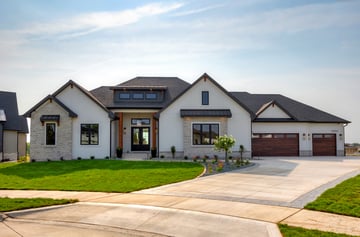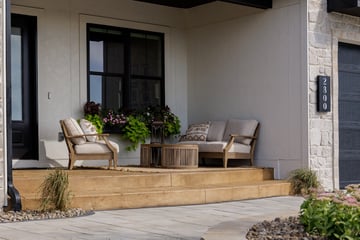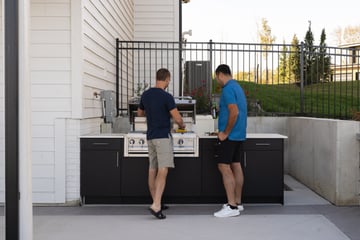

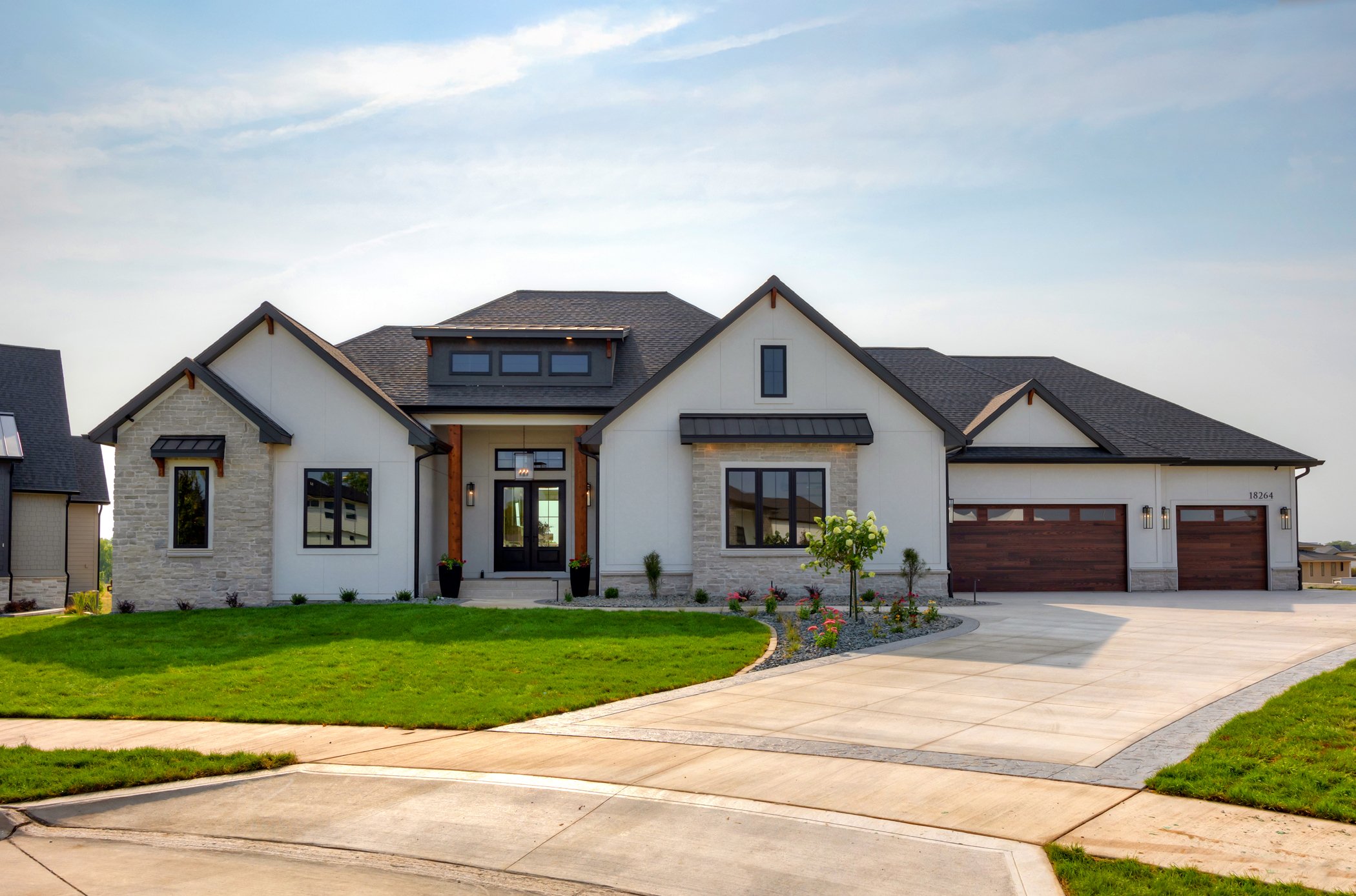
Your custom home should reflect how you live. Choosing the team that will help you create it means looking beyond finished-home photography to understand how you will work together through design, selections, construction, and move-in.
To compare custom home builders in Iowa, bring the same priorities and questions to each consultation. Ask for specific examples, review what is included in writing, and consider how each process fits the way you want to participate. This guide helps you prepare for those conversations without ranking or recommending a shortlist of builders.
Start with your priorities before meeting a builder
A useful builder comparison begins with a clear description of the home you want and the experience you expect. You do not need every finish selected before your first meeting, but you should be ready to explain what matters most.
Bring these details to each consultation:
- Your lifestyle: How you cook, gather, work, entertain, and use outdoor spaces.
- Your design priorities: Essential rooms, preferred architectural details, storage needs, and features you would like to explore.
- Your budget: The overall investment you are planning and which priorities you want to protect.
- Your location: A lot you own, a location you are considering, or questions about finding the right homesite.
- Your preferred move-in date: A planning target to discuss with the builder.
- Your desired involvement: How much guidance you want with design and selections, and how you prefer to communicate.
Use the same starting information in every conversation. It is easier to evaluate proposals when each team understands the same vision.
1. How will the builder translate your lifestyle into the design?
A portfolio can help you identify a style you like. The next step is understanding how the builder will develop a home around your daily routines rather than simply reproduce a look.
Questions to ask:
- How do you learn about the way we live before developing the design?
- Who will guide us through layout decisions?
- How much can we personalize the layout and architectural details?
- How will we review room dimensions, furniture placement, and movement between spaces before approving plans?
- At what stage should we finalize key design decisions?
What to look for: A clear explanation of the design process, opportunities for your input, and defined approval points. Ask the team to walk through how a priority, such as a kitchen designed for entertaining or a quiet home office, becomes part of the plan.
2. What is included in the proposed budget?
Compare the scope behind the proposal, not just the total. Before deciding whether two proposals represent similar value, establish whether they include the same design work, site preparation, materials, finishes, and services.
Questions to ask:
- When will we establish the budget, and what decisions are needed to develop it?
- What is included in the proposal, and what will we arrange separately?
- How are lot-related work, utility connections, and site preparation addressed for our homesite?
- Which selections are already specified, and which use allowances?
- How will we see the budget impact of a selection before approving it?
- How are requested changes priced and documented?
An allowance is a budget amount assigned to an item you have not yet selected. Ask what each allowance covers and request examples that connect it to your preferences.
What to look for: Written scope, clearly explained allowances, and an approval process that connects your decisions to the budget. If proposals differ, ask each team to clarify the difference before treating the totals as directly comparable.
3. Who will communicate with you during construction?
You should know whom to contact, how progress will be shared, and where your decisions will be recorded. Ask about the structure behind the promise of regular communication.
Questions to ask:
- Who will be our primary contact during design and during construction?
- Will that person change between stages?
- How often will we receive updates, and what will they include?
- How do we submit questions and review outstanding decisions?
- How are site visits scheduled?
- Who follows up when a question needs input from the design team or a trade partner?
What to look for: Named responsibilities, a defined update cadence, and a clear method for tracking decisions. Request a sample progress update so you can see whether the format suits you.
4. How will you be guided through material and finish selections?
Selections should connect your design preferences with your budget and construction schedule. Understand both the choices available and the support you will receive in making them.
Questions to ask:
- Who helps us coordinate materials, colors, and finishes?
- Where will we review samples and make selections?
- Will we have opportunities to see materials in person?
- How are options connected to the budget established for our home?
- When are approvals due, and how are they documented?
- How are approved details shared with the construction team?
What to look for: A selection sequence, documented choices, and clear guidance on when your participation is needed. Ask the builder to explain one selection from the initial discussion through final approval.
5. What does the design and construction schedule include?
Start with your preferred move-in date and ask the builder to explain the planning steps that lead to it. Your conversation should cover design and approvals as well as construction.
Questions to ask:
- What needs to happen before construction begins?
- When should we begin design to work toward our preferred move-in date?
- Which milestones will we review together?
- What decisions do we need to make at each stage?
- How will you explain the schedule impact of a requested change?
- How will schedule updates be communicated?
What to look for: A sequence of milestones, responsibilities, and decision deadlines. Distinguish a preliminary planning target from the commitments described in your agreement.
6. How can you evaluate craftsmanship and homeowner experience?
Use completed homes and homeowner conversations to explore both the finished result and the working relationship. Look for examples relevant to the home you are planning.
Questions to ask the builder:
- Can we review completed homes with design details similar to ours?
- Can you explain the materials and construction details used in those homes?
- Who oversees quality checks during construction?
- Can we speak with homeowners who went through a comparable process?
Questions to ask homeowner references:
- How clearly were decisions and next steps explained?
- What did the communication process look like in practice?
- How were your selection questions or requested changes handled?
- Did you feel your priorities were understood?
- What would you prepare differently before beginning?
What to look for: Specific examples of follow-through. A detailed account of how a decision was handled can tell you more than a general statement that the experience was positive.
7. What support is available after you move in?
Include the transition into your home in your evaluation. Ask what you will review before closing and how to request support afterward.
Questions to ask:
- What does the final walkthrough cover?
- How are remaining items documented and followed up on?
- What warranty coverage applies, and where can we review its terms?
- Who handles service requests after move-in?
- What information will we receive about maintenance and caring for our home?
What to look for: Written warranty information, a defined service-request process, and clear contact details. Confirm the terms that apply to your home rather than assuming every agreement is the same.
How to organize your answers before choosing a builder
After each consultation, record the answers while the conversation is fresh. Keep your notes focused on process and fit rather than general impressions alone.
For each team you are considering, note:
- What you understand: Scope, contact roles, design steps, selection support, milestones, and post-move-in service.
- What you have reviewed: Sample updates, written proposals, selection documents, warranty terms, and relevant completed homes.
- What still needs clarification: Any question that has not yet received a specific answer.
- How the relationship feels: Whether the team listens, explains decisions clearly, and welcomes your participation.
Before committing, follow up on unanswered questions and confirm important expectations in writing. The right fit is a team whose process supports your priorities and gives you a clear understanding of your role throughout the experience.
Bring your questions to an Embarq design consultation
At Embarq Signature Homes, your vision guides the conversation. Our process includes early budget planning, collaborative design, and a dedicated project manager who coordinates construction and provides regular updates.
Explore our custom home portfolio and building process as you prepare your questions. When you are ready, schedule a design consultation to discuss your lifestyle, homesite, design priorities, and preferred move-in date, and explore how we would work together on your custom home.
Latest from the Blog
Explore expert insights on building a luxury custom home in the Des Moines area. Browse resources on custom design, financing, premium home features, lot selection, neighborhoods, and the Embarq building experience.